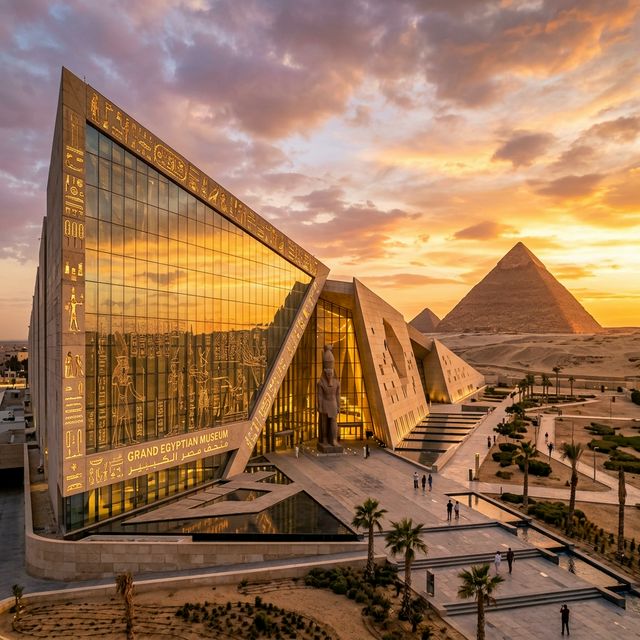
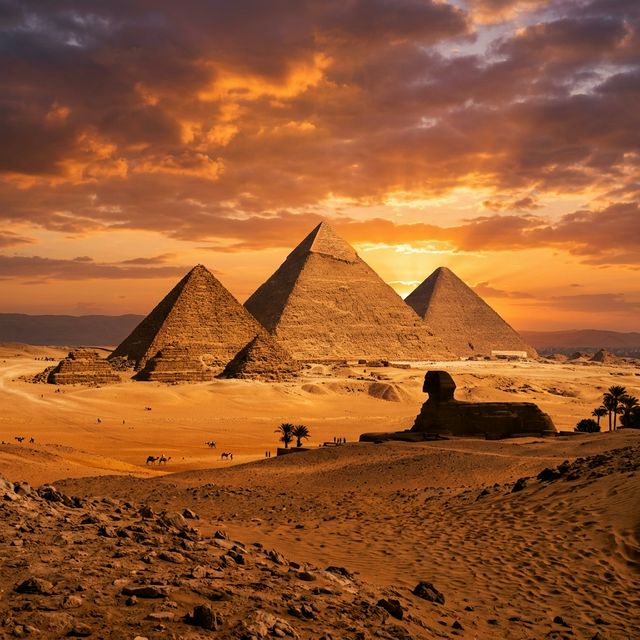
Great Pyramids of Giza at sunset
πŸ›οΈ Ancient Egypt Heritage Guide

Ancient Egypt Heritage Guide

Discover the greatest civilisation in human history β€” from the Pyramids of Giza to the treasures of the pharaohs. Your independent guide to Egyptian travel, history, and culture.

β€’ 15 min read β€’ 12 articles β€’ Updated March 2026
Explore Articles ↓

Your Independent Guide to Ancient Egyptian Civilisation

The Ancient Egypt Heritage Guide is an independent travel resource dedicated to exploring Egypt's extraordinary 7,000-year history. From the Great Pyramids of Giza to the Valley of the Kings, we provide the information you need to plan your journey.

This guide is not officially affiliated with any government body, museum, or tourism organisation. All content is based on independent research and traveller experiences.

100K+Artifacts
30+Heritage Sites
12Articles
7,000Years of History

Explore History & Culture

In-depth articles about Egypt's archaeological sites, history, and travel

Great Pyramids of GizaEssential Guide
πŸ“… Mar 2026⏱️ 8 min

Complete Guide to the Great Pyramids of Giza: Engineering Marvels of the Ancient World

Discover how the Pyramids of Giza were built over 4,500 years ago and what they reveal about the evolution of ancient Egyptian civilisation.

The Pyramids of Giza are among the greatest engineering achievements in human history. The Great Pyramid stands 146 metres tall and was the world's tallest structure for over 3,800 years. Built from over 2.3 million stone blocks, each weighing approximately 2.5 tons, the precision of its construction remains a marvel of ancient engineering.

The pyramid complex served as a royal necropolis, housing the tombs of the pharaohs Khufu, Khafre, and Menkaure. Visitors can explore the interior chambers and the surrounding mortuary temples, offering a profound connection to one of humanity's earliest great civilisations.
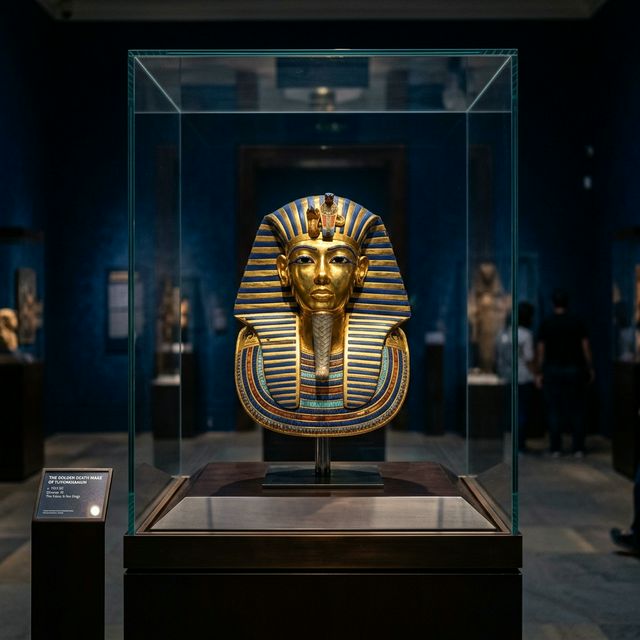
Tutankhamun golden maskEgyptology
πŸ“… Mar 2026⏱️ 7 min

Tutankhamun: Discovering the Tomb of the Golden King

The story of archaeology's most famous discovery β€” Tutankhamun's tomb in the Valley of the Kings, unearthed in 1922.

British archaeologist Howard Carter discovered Tutankhamun's tomb in November 1922 after years of searching. The tomb contained over 5,000 artefacts, including the iconic golden death mask weighing 11 kilograms of solid gold.

The discovery transformed our understanding of ancient Egyptian burial practices and the opulence of the 18th Dynasty. Today, the complete Tutankhamun collection β€” the largest ever assembled β€” offers an unparalleled glimpse into the life and afterlife beliefs of ancient Egypt.

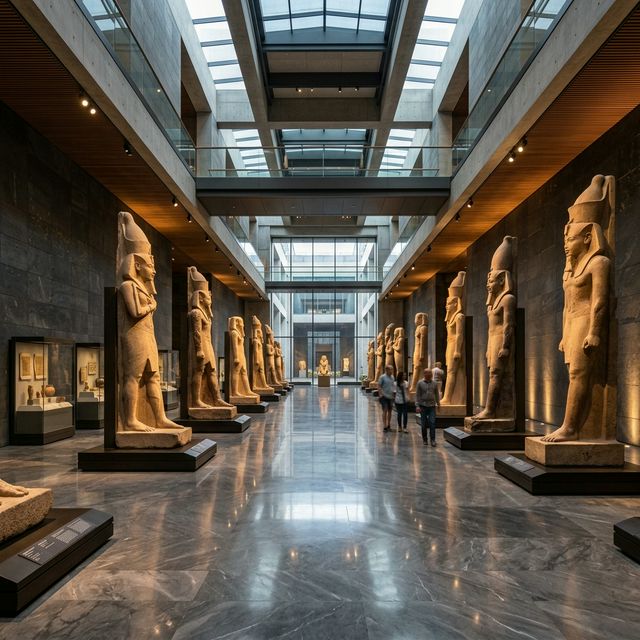
Modern museum galleryExhibition Guide
πŸ“… Mar 2026⏱️ 6 min

The Art of Modern Museums: How Museums Protect Egypt's Ancient Treasures

A look at the cutting-edge technology used to preserve and display millennia-old Egyptian artefacts.

Modern museums use sophisticated climate control and lighting technologies to protect artefacts. These include air conditioning systems maintaining constant temperature and humidity, and special LED lighting that minimises UV exposure.

Advanced 3D scanning and digital preservation techniques ensure that even if physical artefacts deteriorate, their exact dimensions and surface details are permanently recorded for future generations.

Valley of the KingsHistory
πŸ“… Mar 2026⏱️ 9 min

Valley of the Kings: Tombs of the Pharaohs and Buried Secrets

Explore the world's most famous royal burial site β€” where Egypt's greatest kings were laid to rest for over 500 years.

The Valley of the Kings sits on the west bank of the Nile near Luxor. It contains over 63 royal tombs, including those of Ramesses II, Hatshepsut, and Thutmose III. Most tombs were discovered empty due to centuries of looting.

The elaborate wall paintings that adorn these tombs provide invaluable insights into ancient Egyptian beliefs about the afterlife, depicting the pharaoh's journey through the underworld and encounters with deities.

Conservation effortsConservation
πŸ“… Mar 2026⏱️ 5 min

Preserving Egypt's Antiquities: Challenges and Solutions

How Egypt and the international community work to protect one of the world's greatest archaeological legacies.

Egyptian antiquities face numerous challenges including pollution, climate change, and intensive tourism. The Egyptian government, in collaboration with international organisations like UNESCO, is working on massive restoration projects to protect this heritage for future generations.

Cairo transportationTravel Tips
πŸ“… Mar 2026⏱️ 5 min

How to Get to Giza: Complete Transportation Guide

From Cairo to the Pyramids β€” all transport options including metro, taxis, Uber, and buses.

The Pyramids area is easily accessible from central Cairo. The metro is the cheapest option (Line 3 to Grand Museum station). Taxi or Uber rides take approximately 30-45 minutes depending on traffic.

For a more immersive experience, consider taking a felucca (traditional sailboat) along a section of the Nile, then proceeding by land to the Giza plateau.

Family visitFamily Travel
πŸ“… Mar 2026⏱️ 6 min

Visiting Egypt with Children: The Complete Family Guide

Everything you need to know to plan a fun and safe family trip to Egypt's archaeological sites.

Egypt is a wonderful destination for families. Visit the Pyramids early in the morning to avoid the heat. Bring sunscreen, a hat, and plenty of water. Many archaeological sites offer educational tours tailored for children.

Photography at pyramidsPhotography
πŸ“… Mar 2026⏱️ 5 min

Photography Tips for Egyptian Archaeological Sites

How to capture stunning photos of the Pyramids, temples, and museums β€” tips and rules.

The best photography times are the golden hours at sunrise and sunset. Use a wide-angle lens to capture the enormity of the Pyramids. Remember that flash photography is prohibited inside tombs and museums to protect murals and artefacts.

Sphinx and nearby sitesNearby Attractions
πŸ“… Mar 2026⏱️ 7 min

What to Visit Near the Pyramids

From the Sphinx to Saqqara β€” discover the archaeological sites near the Giza plateau.

Beyond the three Great Pyramids, you can visit the Sphinx, the Nobles' Tombs, and the Valley Temple. 30 minutes south lies the Step Pyramid of Saqqara β€” Egypt's oldest pyramid. You can also visit Memphis, the ancient capital of the Egyptian Kingdom.

HieroglyphicsSpecies Guide
πŸ“… Mar 2026⏱️ 8 min

Decoding Hieroglyphics: A Beginner's Guide

Introduction to the ancient Egyptian writing system β€” from the Rosetta Stone to basic symbols.

Hieroglyphics is a writing system used by the ancient Egyptians for over 3,000 years. It was deciphered in 1822 by French scholar Jean-FranΓ§ois Champollion using the Rosetta Stone. The system consists of over 700 symbols representing sounds and ideas.

Egyptian cuisineFood & Dining
πŸ“… Mar 2026⏱️ 5 min

Best Places to Eat Near Archaeological Sites

Your guide to the finest Egyptian dishes and restaurants near the Pyramids and museums.

Don't miss trying Koshari (Egypt's national dish), Ful, and Ta'ameya. The Giza area has many restaurants offering stunning views of the Pyramids. Prices range from EGP 100 at local eateries to EGP 1,000+ at upscale restaurants.

AccessibilityAccessibility
πŸ“… Mar 2026⏱️ 4 min

Accessibility Guide for Egyptian Archaeological Sites

Information for visitors with disabilities and seniors about accessibility and available facilities.

Egypt is working to improve accessibility at its archaeological sites. Modern museums are equipped with ramps, lifts, and accessible restrooms. The Pyramids themselves pose a challenge due to sandy terrain, but visitors can enjoy views from flat areas.

Essential Tips for Travellers

πŸŒ…

Best Time to Visit

Early morning or before sunset to avoid heat and crowds

πŸ“Έ

Photography Rules

Personal photos allowed β€” no flash or drones inside museums

πŸ‘•

What to Wear

Light cotton clothing and comfortable shoes. Bring hat and sunscreen

πŸš‡

Transportation

Metro and taxis available. Uber and Careem are convenient options

πŸ’³

Currency & Payment

Egyptian Pound (EGP). Cards accepted at major museums

⏰

Visit Duration

Allow 4-5 hours for the museum and 2-3 hours for the Pyramids

Best Time to Visit Egypt

β˜€οΈ

Spring

March β€” May
  • Mild weather ideal for exploring
  • Garden blooming season
  • Fewer tourists than winter
🌑️

Summer

June β€” August
  • Very high temperatures
  • Evening visits possible
  • Lower tourist numbers
πŸ‚

Autumn

September β€” November
  • Ideal conditions for photography
  • Moderate temperatures
  • Start of tourist season
❄️

Winter

December β€” February
  • Best weather for tourism
  • Peak season β€” high crowds
  • Higher hotel prices

Frequently Asked Questions

The best time is from October to April when the weather is mild (15-25Β°C). Avoid summer months (June-August) when temperatures can exceed 40Β°C.
Allow 4-5 hours for the main museum and 2-3 hours for the Pyramids and Sphinx. For a comprehensive visit to the area, we recommend at least two days.
Yes, personal mobile photography is allowed in most areas. Flash, tripods, and live streaming are prohibited. Some special galleries may restrict photography.
You can use the metro (Line 3), taxis, or Uber/Careem. From central Cairo, the journey takes 30-45 minutes depending on traffic.
No. This is an independent travel guide. We are not affiliated with any museum, government body, or tourism organisation. Our information is based on independent research and traveller experiences.
The Egyptian Pound (EGP). Credit cards are accepted at major museums and hotels. It's recommended to carry cash for archaeological sites and smaller restaurants.